
Tashkent
A Silk Road capital and a three-million metropolis — where Soviet modernism meets Eastern bazaars, and the metro is a museum.
The face of Tashkent
A metro as a museum
Tashkent has three million residents, four airports in the surroundings and a metro built in the Soviet era as both a nuclear shelter and a museum. Each station is its own project: Pakhtakor with cotton mosaics, Kosmonavtlar with portraits of Gagarin and Kondratyuk, Alisher Navoi in the style of an oriental palace.
After the 1966 earthquake
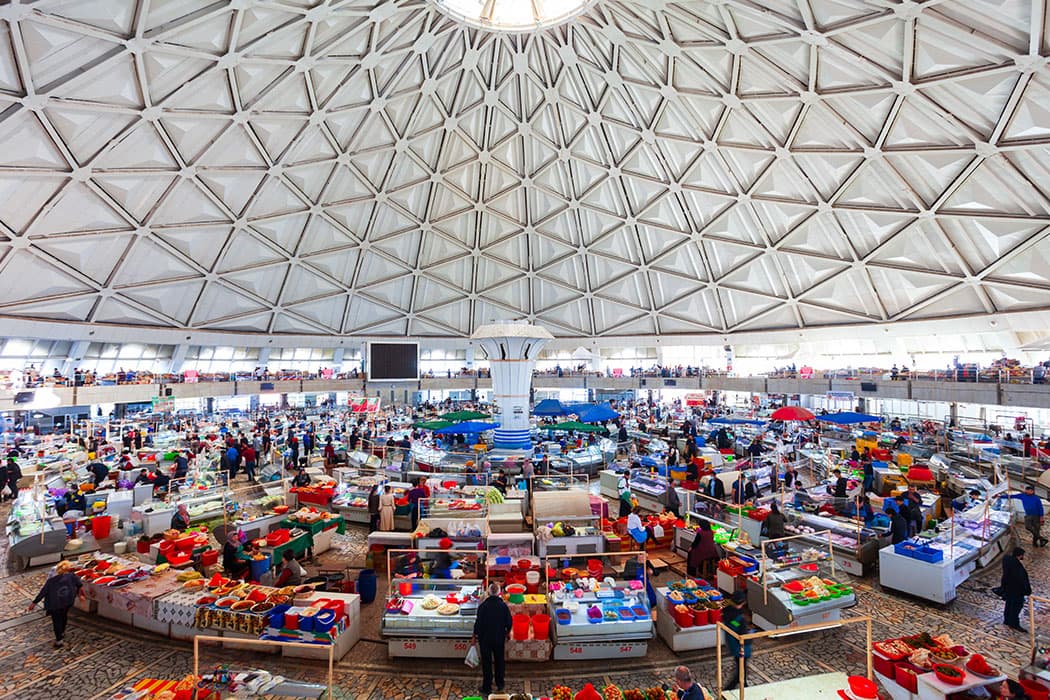
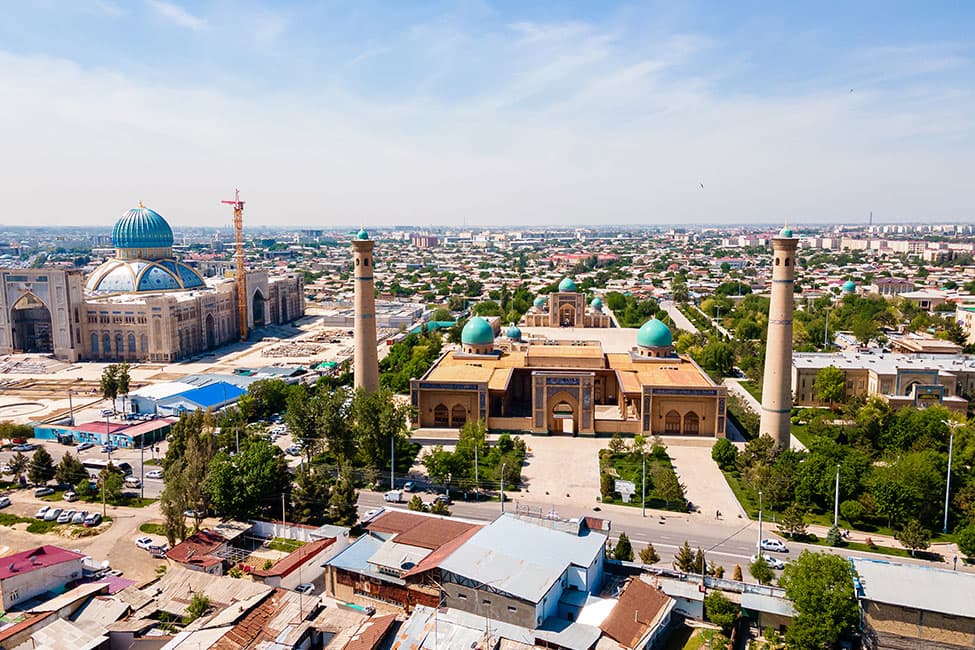
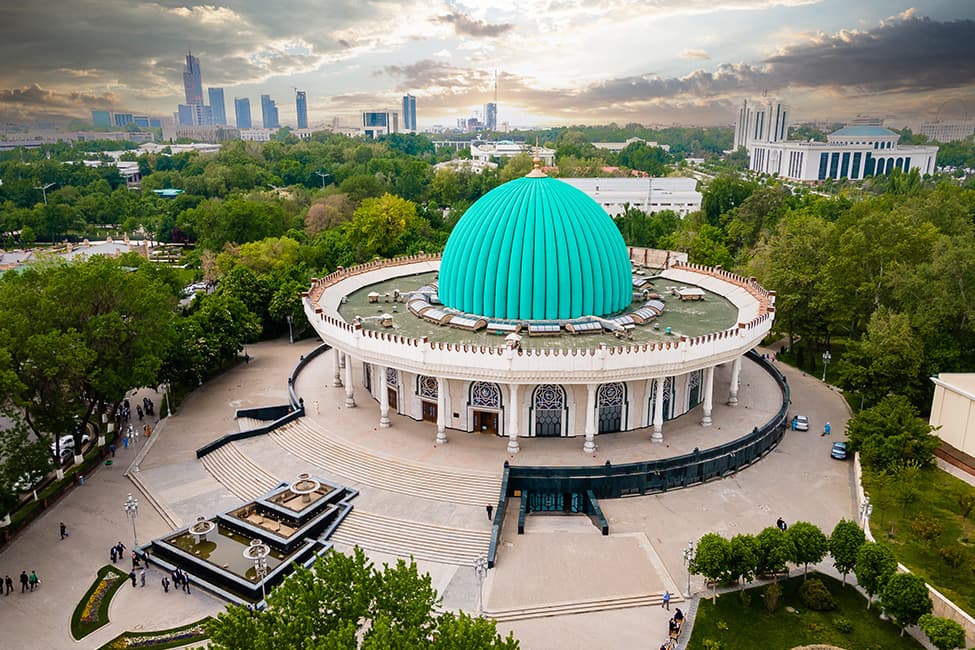
The city survived the 1966 earthquake, after which the centre was rebuilt in Soviet modernist style — hence the wide avenues, concrete ensembles like the Uzbekistan Hotel and the ceremonial Independence Square. Yet old Tashkent survives alongside: Chorsu Bazaar under its blue dome, 16th-century mosques at Khast Imam, the narrow lanes of Eski-Shahar.
The gastronomy capital
Today Tashkent is the most convenient gateway to the country: an international hub, developed gastronomy (every district has its own plov), modern hotels from Hyatt to Wyndham and nightlife unmatched elsewhere in the region.
Getting to Tashkent
What to see in Tashkent
Continue the journey
Time to see Tashkent for yourself
Leave a request — we'll build a route including this city.